

Mexico Chiapas Yajalón Washed is a specialty green coffee from Yajalón, in the central highlands of Chiapas, Mexico's largest coffee-producing state, grown at 900 to 1,000 metres above sea level across a traditional mixed planting of Catimor, Caturra, Bourbon, Catuai, and Tipica. Washed processing removes the cherry skin and mucilage before drying for a clean, direct cup. The result is a bright, citrus-driven coffee with a distinctive piquant edge and raisin sweetness, carried by a medium, well-rounded body. Graded HG EP, 100% Arabica.
Ships across Canada. Available in bulk quantities.
Cup profile +
Aroma
Citrus zest, light raisin sweetness
Tasting notes
Citrus, piquant, raisin
Acidity
Citrus-driven, piquant edge
Body
Well-rounded, smooth
Finish
Clean, piquant, lingering citrus
Roasting guide +
At 900 to 1,000 masl, this lot is less dense than the high-grown Central American coffees most roasters are used to, so it moves through the roast faster and reaches first crack sooner. Go easier on the heat through the early stages than you would with a 1,500-plus masl bean — pushing too hard risks scorching the surface before the inside catches up, which flattens the citrus brightness this lot is built around.
Light roast
Drop at or just after first crack. Citrus and the piquant edge most pronounced, acidity at its brightest. Best for pour-over and V60 where that character carries through clearly.
Medium roast
Drop 30 to 45 seconds after first crack. Raisin sweetness builds, the piquant edge softens into balance, body thickens toward round. Most versatile — works across filter, drip, and espresso.
Medium-dark roast
Drop 60 to 70 seconds after first crack. Raisin deepens toward dark sugar, citrus recedes, body at its heaviest. Workable as single origin espresso, though this lot's bright character is best appreciated at lighter levels.
About this coffee +
Yajalón sits in the central highlands of Chiapas, Mexico's southernmost and largest coffee-producing state, bordering Guatemala. Compared to Chiapas's higher-elevation zones, Yajalón's 900 to 1,000 metre growing band produces cherries that mature faster and yield a brighter, more citrus-forward cup. This lot is grown across a traditional mixed planting of Catimor, Caturra, Bourbon, Catuai, and Tipica — a varietal diversity typical of smallholder Mexican coffee farms, where multiple cultivars are grown side by side rather than a single variety.
Washed processing removes both the skin and the mucilage before drying, giving a clean, direct read on the coffee's growing conditions. Here that translates to citrus zest and a distinctive piquant edge — a lively, almost peppery brightness associated with Chiapas washed coffees — balanced by raisin sweetness and a medium, well-rounded body that keeps the cup from tipping into thin or sharp territory.
Graded HG EP — Hard Bean, European Preparation — and cupping at SCA 86, this lot performs well above typical commercial-grade coffee from the region. Chiapas is Mexico's largest coffee-growing state by volume and one of the world's best-known sources of smallholder and certified organic coffee, though this particular lot carries no organic certification — it competes on cup quality and cupping score rather than certification.
Specifications +
Origin
Mexico
Region
Yajalón, Chiapas
Process
Washed
Variety
Catimor, Caturra, Bourbon, Catuai, Tipica
Species
100% Arabica
Altitude
900 to 1,000 masl
Grade
HG EP — SCA 86
Estimated density
1,057 g/L
Water activity
0.630 aw
Moisture content
11.3% to 11.8%
Recommended roast
Light, medium, medium-dark
Available sizes
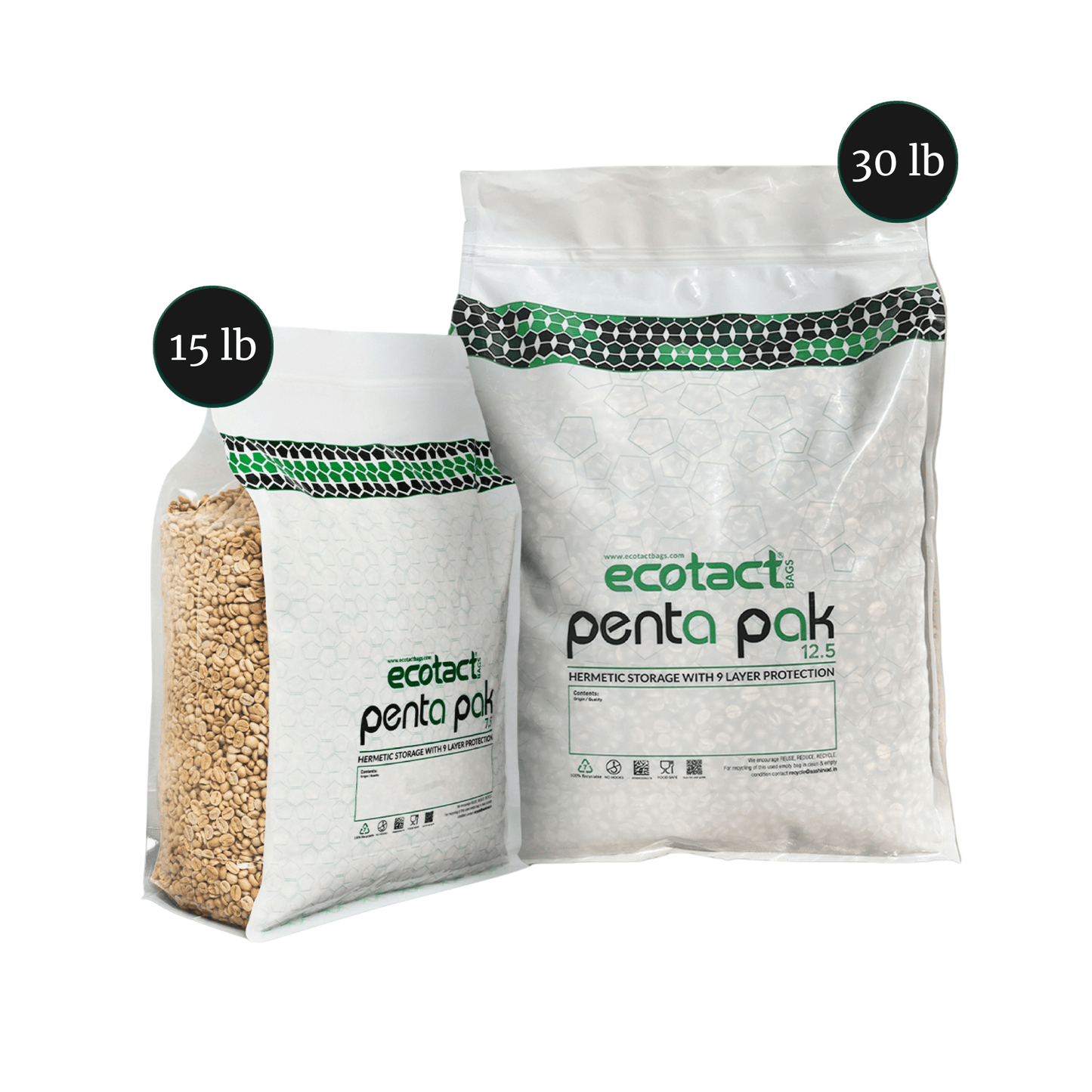
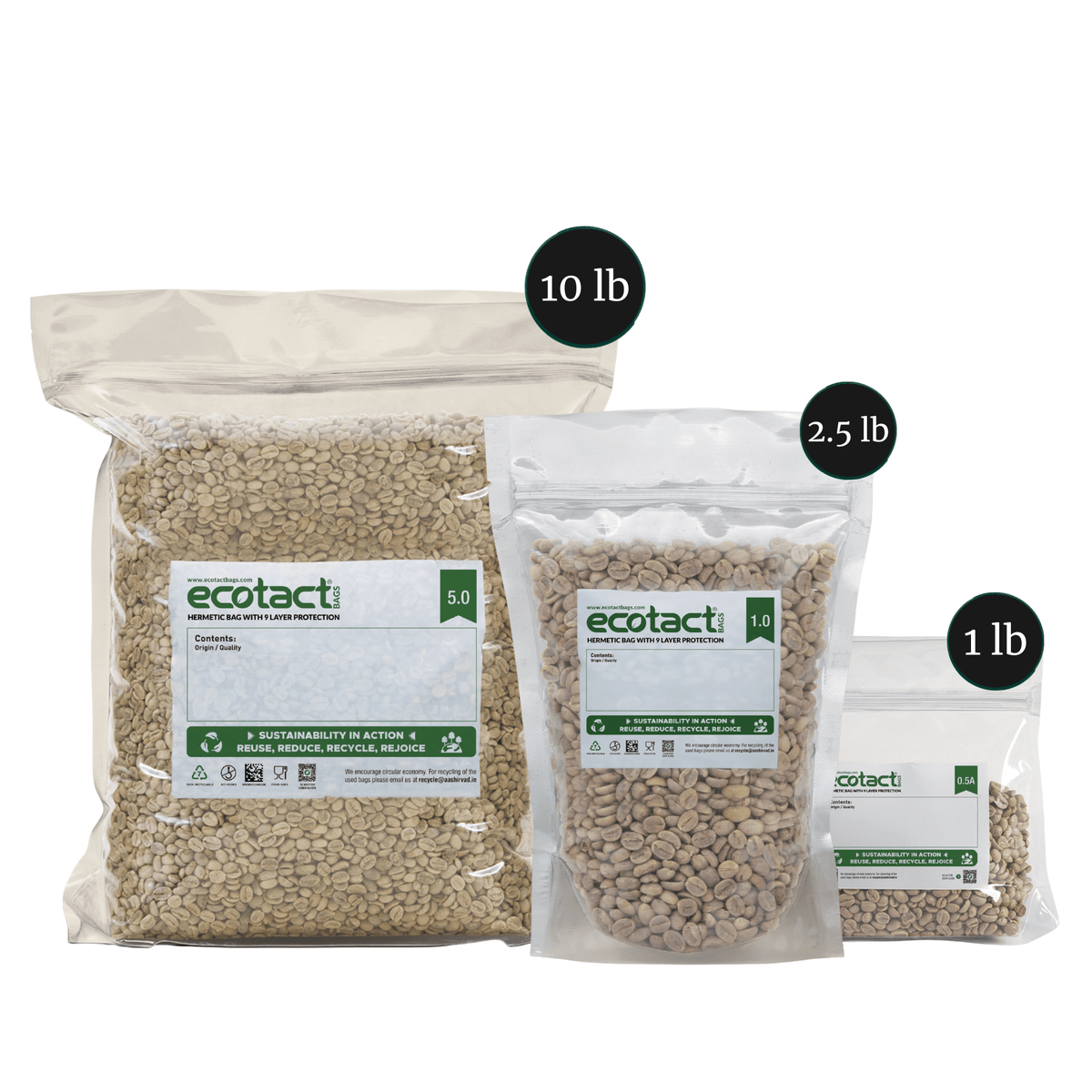
1 lb, 2.5 lb, 10 lb, 15 lb, 30 lb
Frequently asked questions +
What does it mean that this lot is grown across five varieties?
Many smallholder Mexican coffee farms, including those around Yajalón, plant multiple Arabica varieties side by side rather than a single cultivar. This Catimor, Caturra, Bourbon, Catuai, and Tipica mix spreads agronomic risk — some varieties resist disease or drought better than others — and builds cup complexity, since each variety contributes a slightly different structure and flavour to the blended harvest. It reflects a traditional mixed-planting approach rather than a single-variety microlot.
Does growing at 900 to 1,000 metres mean lower quality than higher-altitude coffee?
Altitude shapes flavour character more than it determines quality outright. Higher-altitude cherries mature more slowly and often build denser structure and more layered acidity; lower-altitude cherries like this lot mature faster and tend to produce a brighter, more direct citrus character with a rounder body. This lot's SCA 86 cupping score confirms it performs at a high specialty level — altitude is one input among several, alongside variety, processing, and farm management.
What does "HG EP — SCA 86" mean on the label?
HG EP stands for Hard Bean, European Preparation. Hard Bean refers to bean density, European Preparation means the green coffee has been sorted to a tighter defect tolerance than standard export-grade prep. SCA 86 is the cupping score assigned under Specialty Coffee Association protocol — anything 80 and above qualifies as specialty grade, so this lot sits comfortably above that threshold.
How should I store this green coffee?
Store in a cool, dry place away from direct light and moisture. Green coffee is stable for 12 to 18 months in correct storage conditions. We ship all our green coffee in 9 layer hermetic Ecotact bags to preserve moisture content and the aromatic character of this lot between roasting sessions.